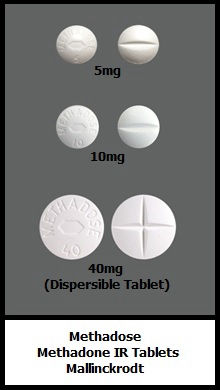
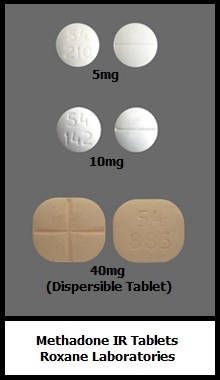
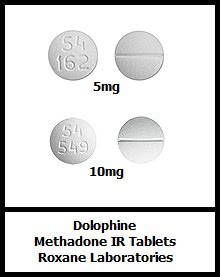
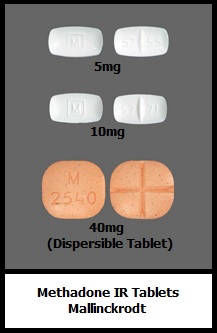
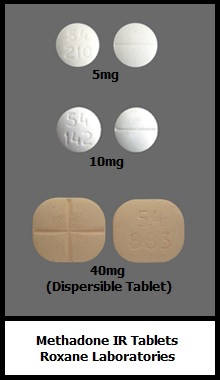
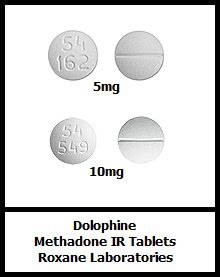
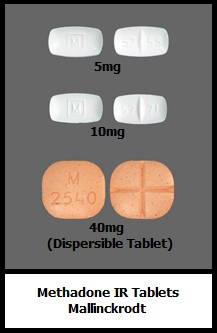
Methadone
Activates opioid receptors that naturally exist in your body, which have a number of effects on your body.
Like other opioids, it mimics the effect of natural opioids in your body.
Effective painkiller that treats moderate to severe pain.
Methadone is also used as part of the treatment of dependence on opioid drugs, although prolonged use of methadone itself may result in dependence.
Brand names of morphine include:
*Diskets
*Dolophine
*Metadol
*Take this medication on a regular schedule as directed by your doctor, not as needed for sudden (breakthrough) pain.
**Do NOT increase your dose, take the medication more frequently, or take it for a longer time than prescribed. Properly stop the medication when so directed.**
The most frequent side effects of methadone include:
*anxiety
*nervousness
*nausea
*restlessness
*sleep problems (insomnia)
*weakness
*drowsiness
*dry mouth
*vomiting
*diarrhea
*constipation
*loss of appetite
Tell your doctor immediately if you experience these symptoms with severity:
*shallow breathing
*hallucinations
*confusion
*chest pain
*dizziness
*fainting
*fast or pounding heartbeat
*trouble breathing
Do not drive, use machinery, or do any activity that requires alertness until you are sure you can perform such activities safely.
Avoid alcoholic beverages.
Please consult your doctor/physician before considering alternatives and see if they are right for you.
*Buprenorphine (can be considered an alternative for methadone when using for decreasing opioid dependence).